
A Beginner’s Guide to Planting Flowers Before the Last Frost
If you garden in a cold climate, spring can feel like a long waiting game. The snow melts, the sun comes out… and then a surprise frost shows up just when you’re feeling hopeful. If you’ve ever wondered “Is it too early to plant flowers?”—you’re not alone.
Here’s the good news: you don’t have to wait for warm weather to start growing flowers. Many flowers actually prefer cool temperatures.
Cold-hardy annual flowers are some of the easiest and most forgiving plants you can grow in zones 4a–5b, making them an ideal choice for beginner flower growers who want to get an early start.
What Are Cold-Hardy Annual Flowers?
A cold-hardy annual is a plant that completes its life cycle in one growing season but can tolerate—and often thrive in—cool temperatures and light frost. Unlike tender annuals, these flowers are built to handle early spring weather.
In my zone 4a–5b garden, cold-hardy annuals are my early-season heroes. They allow me to plant weeks earlier than I could with frost-sensitive plants.
Some of my favorite cold-hardy annual flowers to grow from seed include:
Delphinium
Larkspur
Feverfew
Dianthus (Sweet William)
Calendula
Nigella
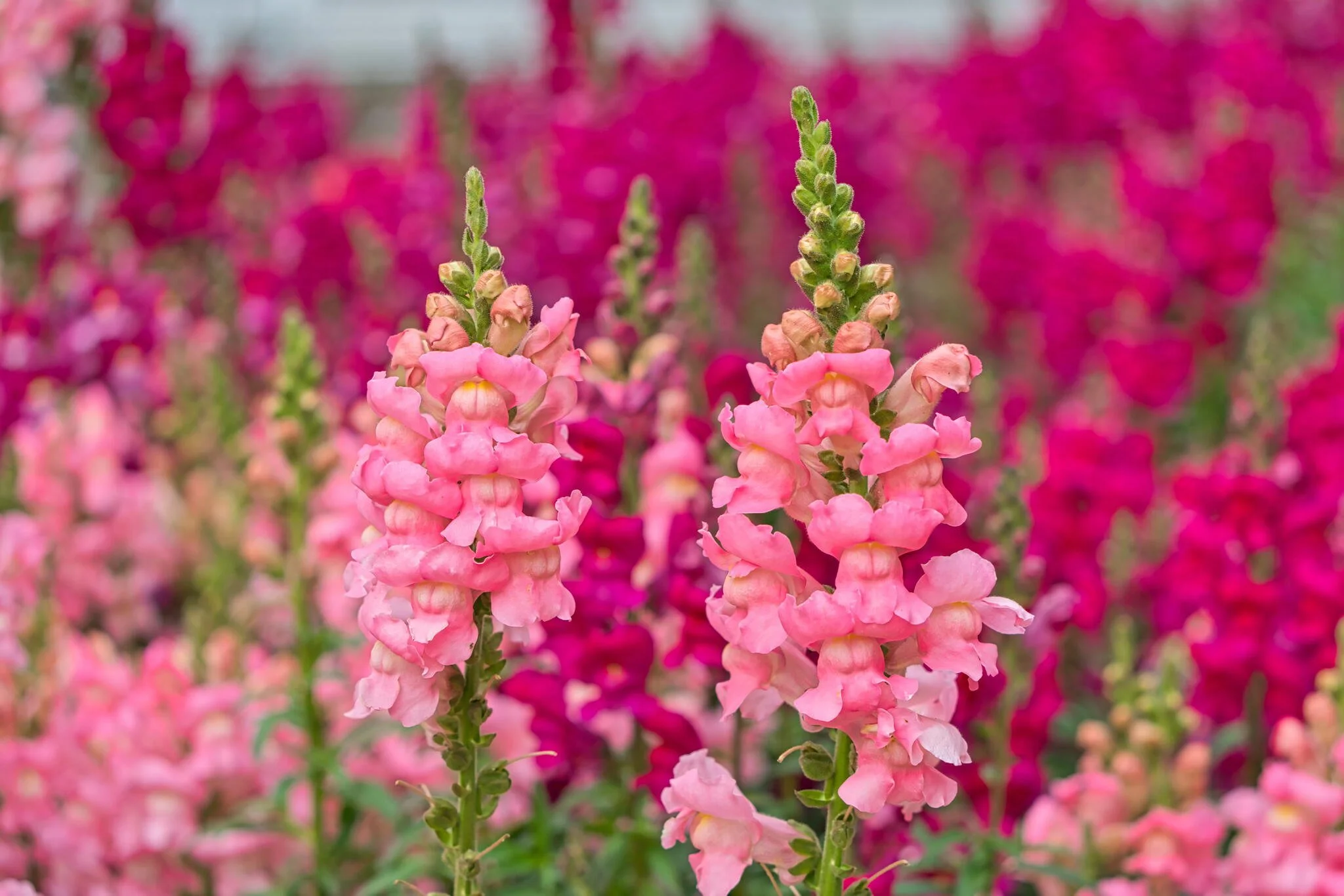
Snapdragons
Sweet Peas
Poppies
Foxglove
Bachelor’s Buttons
If you want to learn more about growing flowers in cooler seasons, Cool Flowers by Lisa Mason Ziegler is an excellent resource and highly recommended.
When to Plant Cold-Hardy Annuals in Zones 4a–5b
As a general rule, cold-hardy annuals can be planted outdoors 6–8 weeks before your average last spring frost date. The exact timing will vary slightly depending on your local conditions, but this guideline works well for most gardeners in zones 4 and 5.
Example: Using a May 15 Last Frost Date
I garden in zones 4a–5b, where my average last spring frost date is around May 15. To determine planting dates, I count backward from that date.
If I want to plant snapdragons outdoors 6 weeks before my last frost:
First, I count back 6 weeks from May 15, which puts my outdoor planting date in early April.
Next, I check the seed packet. My snapdragon packet says to start seeds indoors 8–10 weeks before planting out.
To be safe, I use the longer window and count back another 10 weeks from my early April planting date.
That final date becomes my seed-starting date.
This simple backward-counting method works for most cold-hardy annual flowers.
How to Plant Cold-Hardy Annuals Successfully and
Hardening Off Your Seedlings
As planting time approaches, one important step is hardening off.
Seedlings grown indoors aren’t used to wind, direct sunlight, or temperature swings. Hardening off means gradually exposing seedlings to outdoor conditions over 7–10 days. Start with a few hours outside in a sheltered spot and increase their time outdoors each day.
This process helps prevent transplant shock and prepares your seedlings for life in the garden.
Watch the Weather Before You Plant!
When I’m about 6 weeks out from my last frost date, I start watching the forecast closely.
If clear, calm days are predicted, I plant.
If heavy rain, snow, or extreme cold is expected, I wait for the next stretch of better weather.
Cold-hardy annuals are tough, but planting during a decent weather window gives them the best possible start.
In closing, Gardening in zones 4a–5b doesn’t mean you have to wait until late spring to grow flowers. Cold-hardy annual flowers allow you to start earlier, learn faster, and gain confidence as a grower.
Trust the timing, trust the plants, and don’t be afraid to plant while the weather still feels unpredictable—these flowers are made for it.
